New Provinces Must Reflect People's Will: Hafiz Naeem ur Rehman
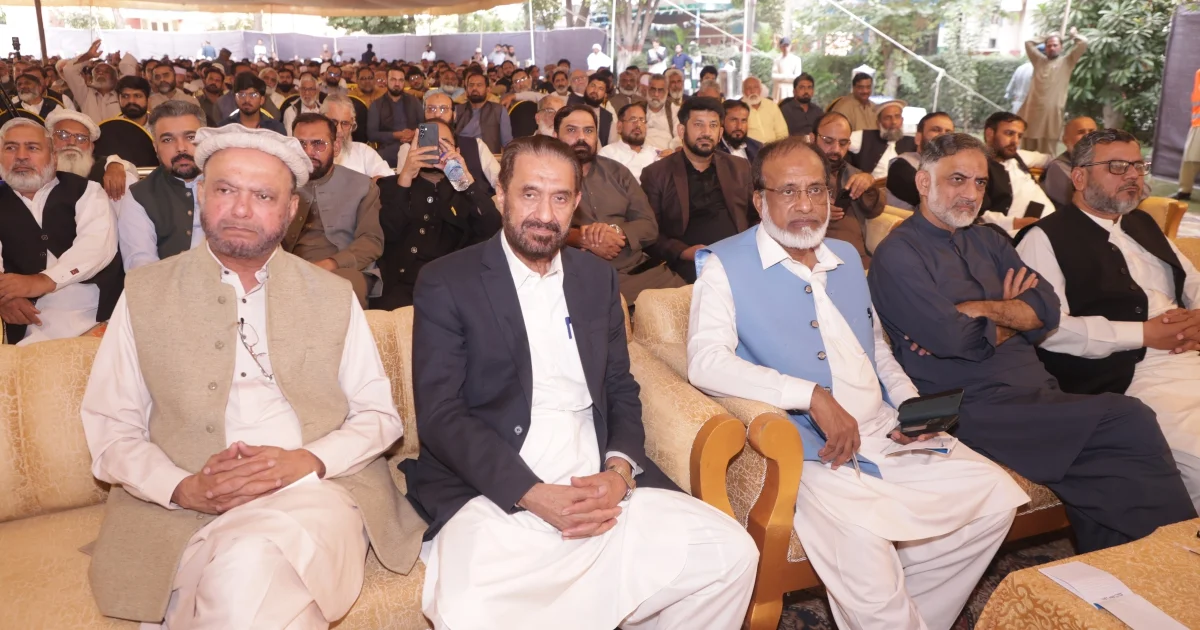
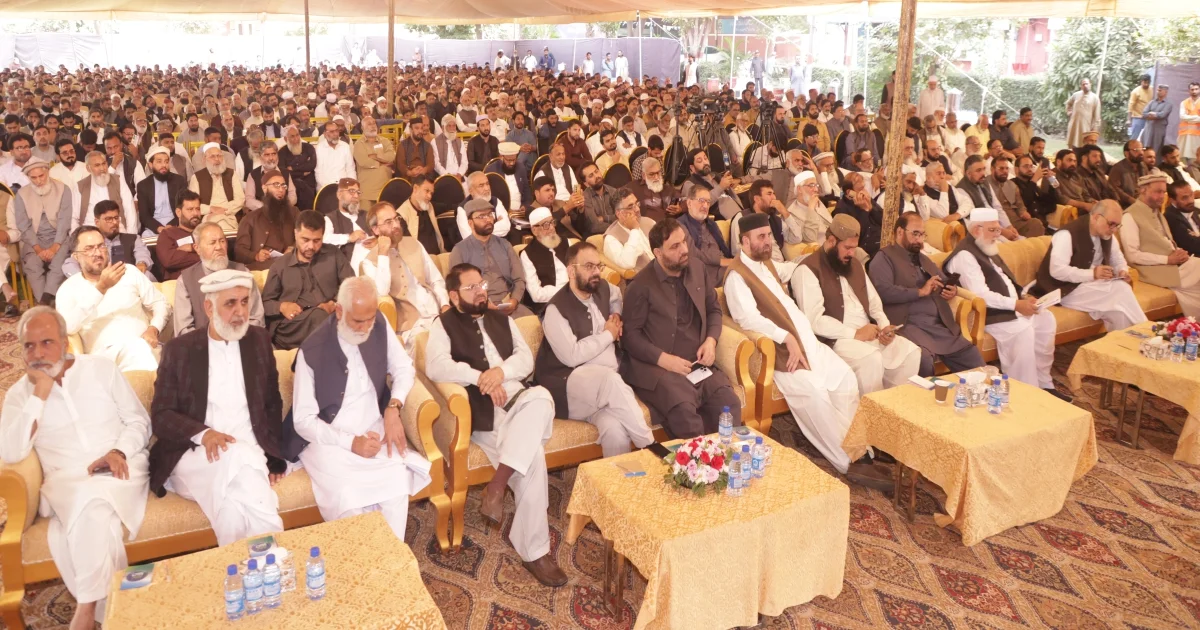
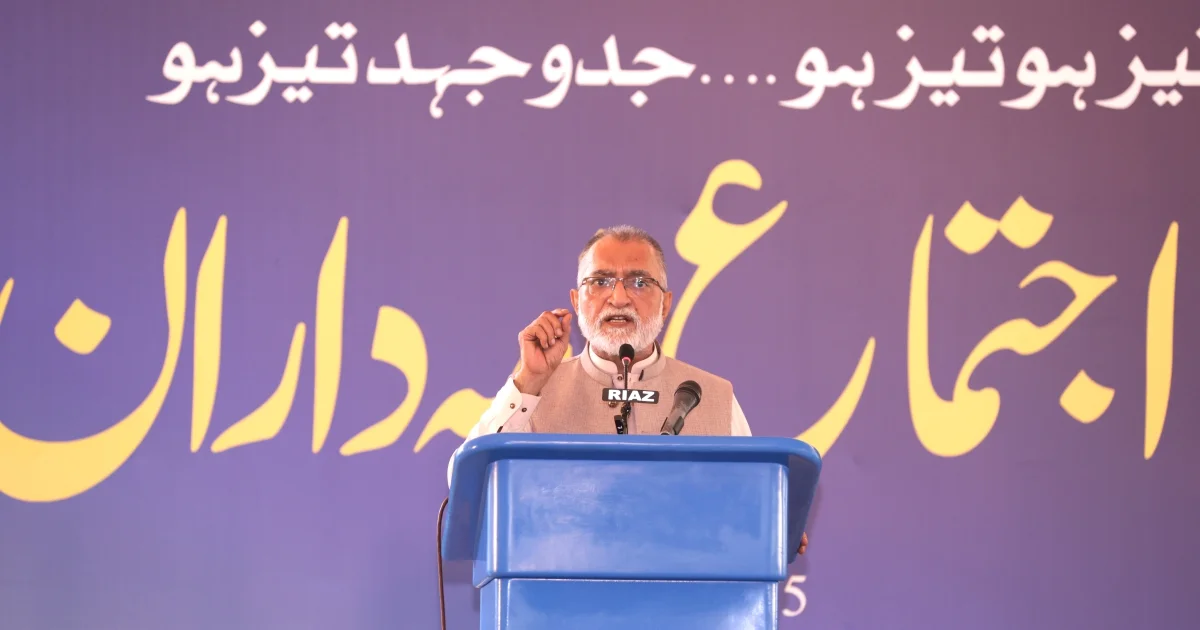
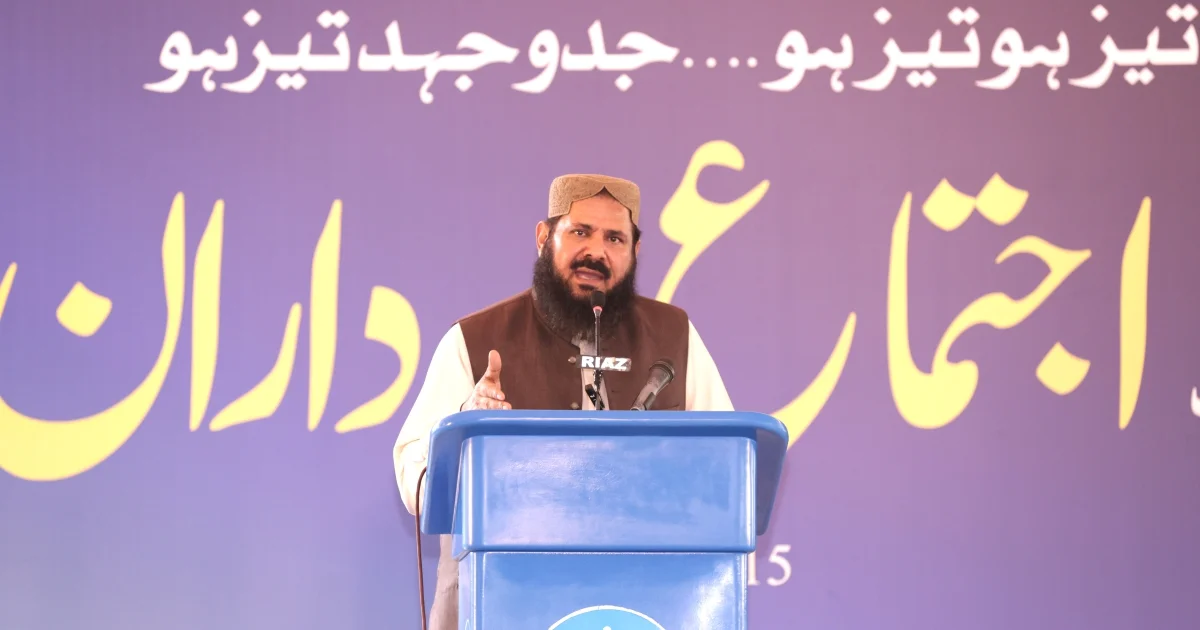
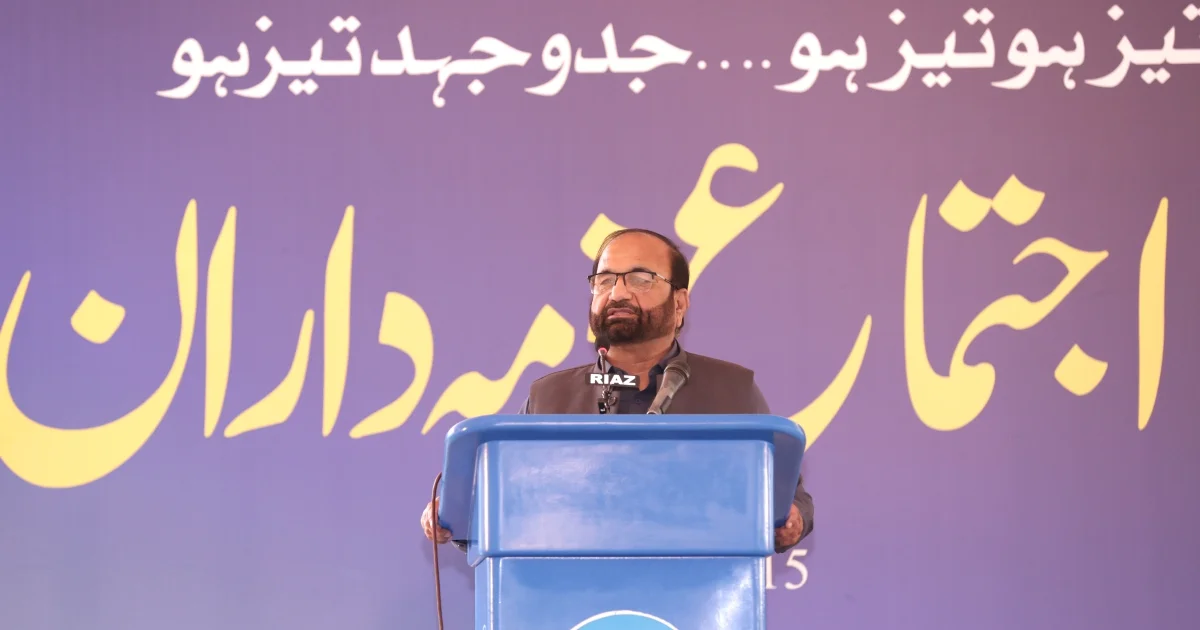
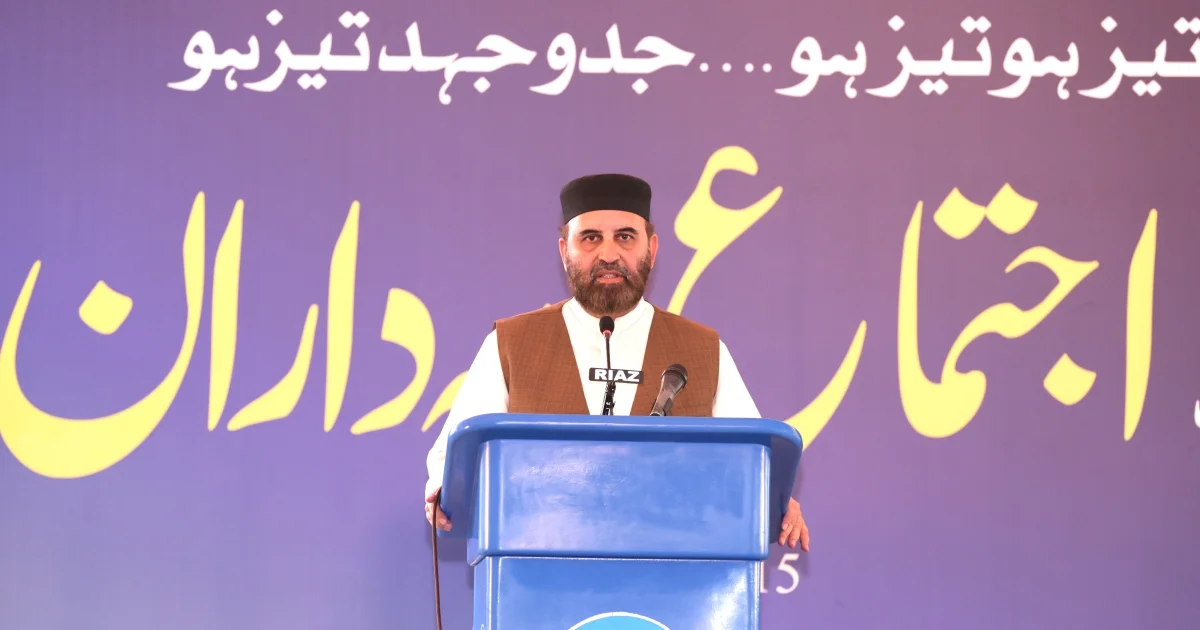
JI Emir addressing a major consultative meeting of Jamaat-e-Islami's district and zonal leadership from across Punjab at Mansoorah

LAHORE, Nov 15: Jamaat-e-Islami Pakistan Emir Hafiz Naeem ur Rehman has said the JI is not opposed to the creation of new administrative units but insists that the process must strictly follow constitutional procedures and reflect the will of the people.
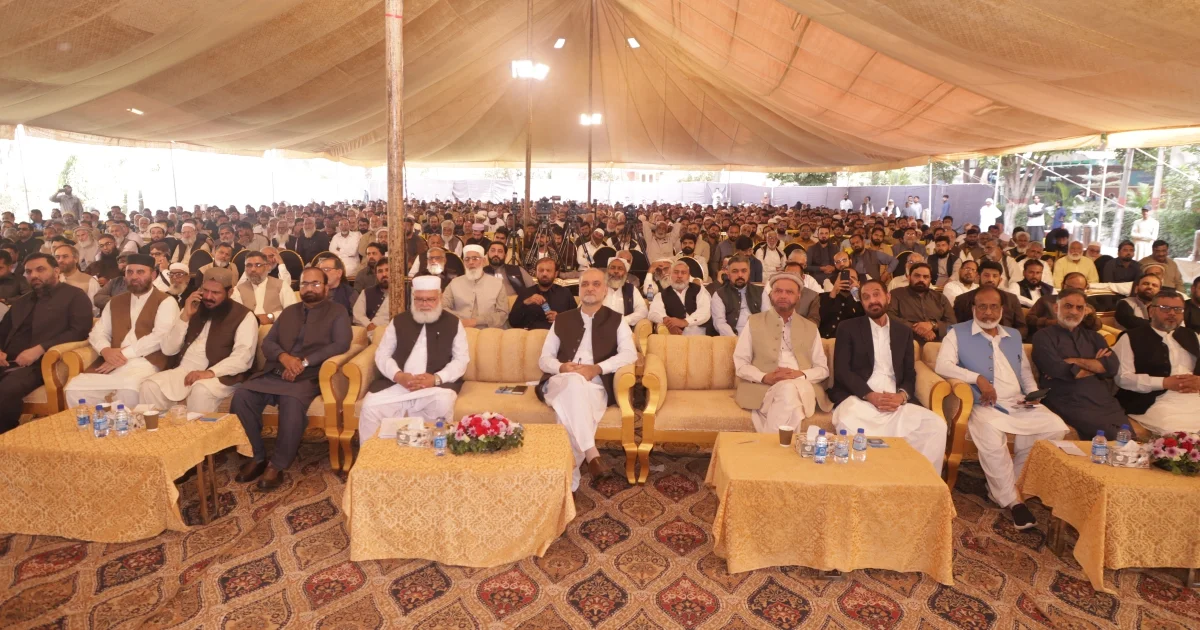
Addressing a major consultative meeting of Jamaat-e-Islami's district and zonal leadership from across Punjab at Mansoorah on Sunday, he said the Constitution did not prohibit the creation of new administrative units. However, he questioned how such units could be established without seeking the people's opinion, particularly when the present rulers did not enjoy a genuine public mandate. He said the JI executive council would discuss the matter in detail at its next meeting before announcing a comprehensive position.
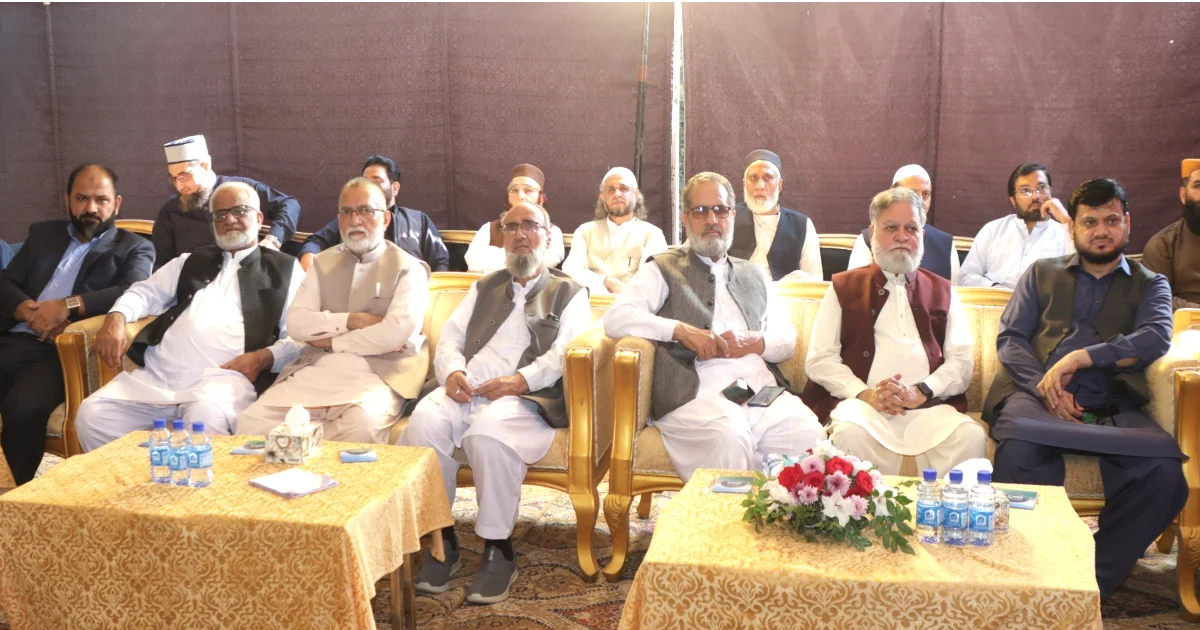
JI Vice Emirs Liaqat Baloch and Professor Muhammad Ibrahim Khan, Acting Secretary General Nazir Ahmad Janjua, Deputy Secretary Farasat Shah, Punjab Central Emir Javed Kasuri, Punjab North Emir Dr Tariq Saleem, Punjab South Emir Syed Zeeshan Akhtar and Lahore Emir Ziauddin Ansari also addressed the meeting. Vice Emirs Mian Aslam, Dr Usama Razi, Deputy Secretaries Waqas Jafri, Azhar Iqbal, Mumtaz Sehtu, Sheikh Usman Farooq, Rusal Babar, Special Assistant to JI Emir Umair Idrees, Head JI Social Media Salman Sheikh and JI Informed Secretary Shakil Ahmed Turabi attended.
On the petroleum levy issue, Rehman said JI had handed over its final draft to the government, proposing a reduction in petroleum prices and a gradual withdrawal of the levy. He warned the government against delaying tactics, saying JI would continue pursuing the matter until its demands were addressed.
He also announced an expansion of the party's nationwide protest movement, with major public gatherings scheduled in Quetta on November 22, at Minar-e-Pakistan in Lahore on November 29, Peshawar on December 5 and Karachi on December 20.
The movement, he said, would focus on reducing electricity, gas and petrol prices, ensuring transparent elections under proportional representation, holding local government elections on time, providing healthcare and education facilities, and restoring peace in Balochistan and other parts of the country.
Rehman criticised the state for failing to fulfil its constitutional responsibility to provide citizens with education and healthcare, while people continued to face the consequences of poor governance, violence and drug abuse.
He said successive governments had failed to address public concerns over the past seven decades, with the establishment repeatedly bringing corrupt political elements into power and removing them through similar arrangements.
"The entire system is outdated, and those who run it will also have to answer for the prevailing situation," he said, adding that JI wanted fundamental changes rather than cosmetic adjustments.
He said the party had conducted one of the longest public campaigns in the country's history against independent power producers (IPPs) and excessive petroleum prices and would continue highlighting issues affecting ordinary citizens.
Referring to the rising cost of living, he said LPG was being sold at around Rs550 per kilogram against the government's notified price of Rs290. He also called for electoral reforms to ensure that the people's mandate was respected.
The JI chief maintained that no other political party was effectively raising public issues because influential mafias had become part of the political system. He urged JI leaders and workers to continue their struggle, expressing confidence that Jamaat-e-Islami would emerge as a major political force in the coming days.
“We will field candidates in every union council in the forthcoming local government elections.”
Announcing preparations for gathering at Minar-e-Pakistan, Rehman said a comprehensive public mobilisation campaign would precede the event. He said the Punjab government damaged the agriculture sector and ignored farmers' problems. He also criticising Maryam Nawaz over the outsourcing of public schools.
He paid tribute to the Palestinian people's resistance and said US President setback in the midterm elections was, in his assessment, a victory for Hamas and the people of Gaza.
He also urged Islamic movements across the world to prepare themselves as credible alternatives to existing political and economic systems, arguing that societies needed a model based on Islam's principles of justice and equality.