JI Emir says sectarian divisions have no place in Islam
Hafiz Naeem ur Rehman was addressing the opening session of a three-day training programme for members of Jamaat-e-Islami's women wing in Solangi Goth, Hyderabad,

Hyderabad, Nov 28: Jamaat-e-Islami Pakistan Emir Hafiz Naeem ur Rehman has said that those who divide the Muslim Ummah along sectarian lines cannot be well-wishers of Islam, stressing that people belonging to different schools of thought can join the party while retaining their respective jurisprudential identities.
He said women had a fundamental role to play in bringing positive change to society and urged female party members to expand their outreach through families, neighbourhoods and social circles.
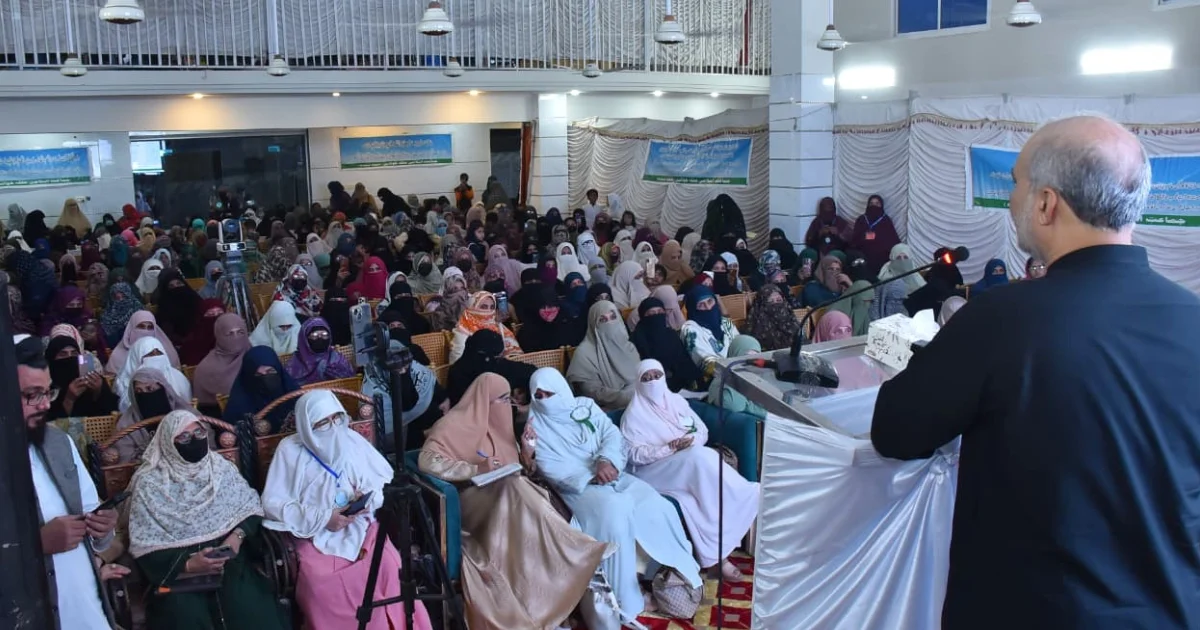
He was addressing the opening session of a three-day training programme for members of Jamaat-e-Islami's women wing in Solangi Goth, Hyderabad, on Saturday. The programme was organised by the Sindh chapter of the party's women wing.
JI Sindh Emir Kashif Saeed Sheikh and provincial women wing chief Rakhshanda Muneeb also addressed the gathering. Secretary General of JI's women wing Humaira Tariq, JI Sindh Secretary General Muhammad Yousuf and district chief Hafiz Tahir Majeed were also present. The programme opened with remarks by its supervisor, Shagufta Ibrahim.
Rehman said JI was neither merely a political, sectarian nor social organisation but a movement striving for the establishment of Deen (Islamic way of life) in all spheres of society. Its objective, he said, was to promote intellectual, moral and practical transformation in society in accordance with Islamic teachings.
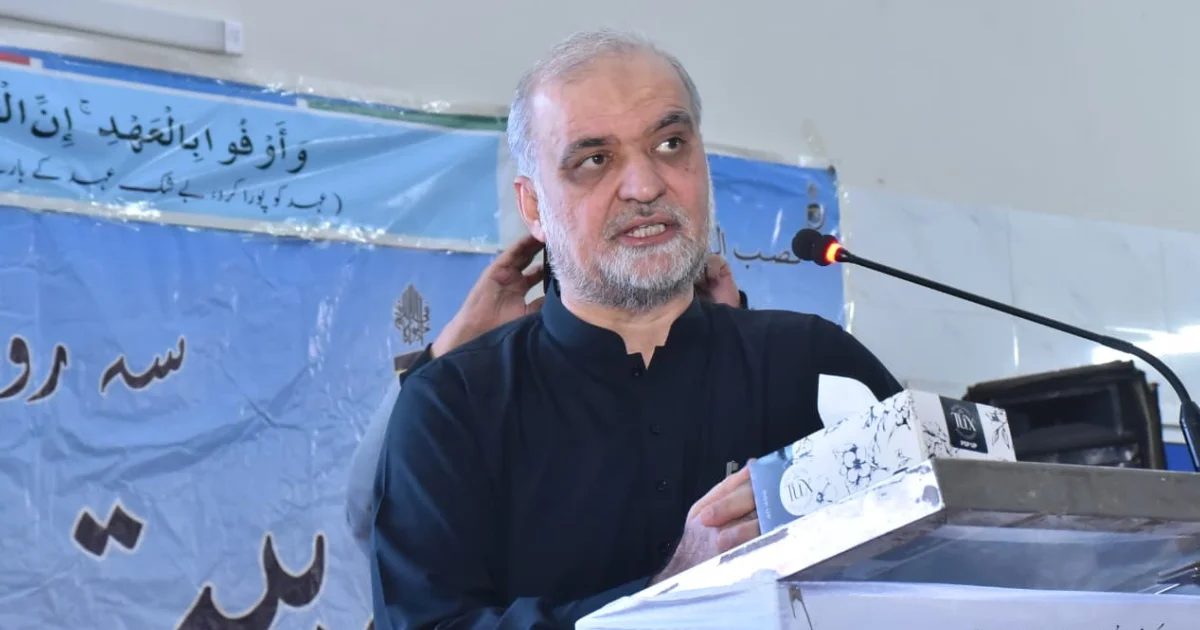
He said Islam should not be confined to a handful of rituals or individual worship but presented as a comprehensive system of life. Since Pakistan had been created in the name of Islam, he added, JI had a responsibility to continue its struggle for the country's Islamic identity and the establishment of Deen.
The JI emir said the party did not represent any particular ethnicity, language or school of thought. People from different sects could become part of its movement without abandoning their jurisprudential identities, he said, adding that differences of religious interpretation should never become a source of division within the Muslim Ummah.
He urged party members to introduce people to the comprehensive teachings of Islam through love, wisdom and proper training rather than allowing sectarian differences to overshadow the broader religious mission.
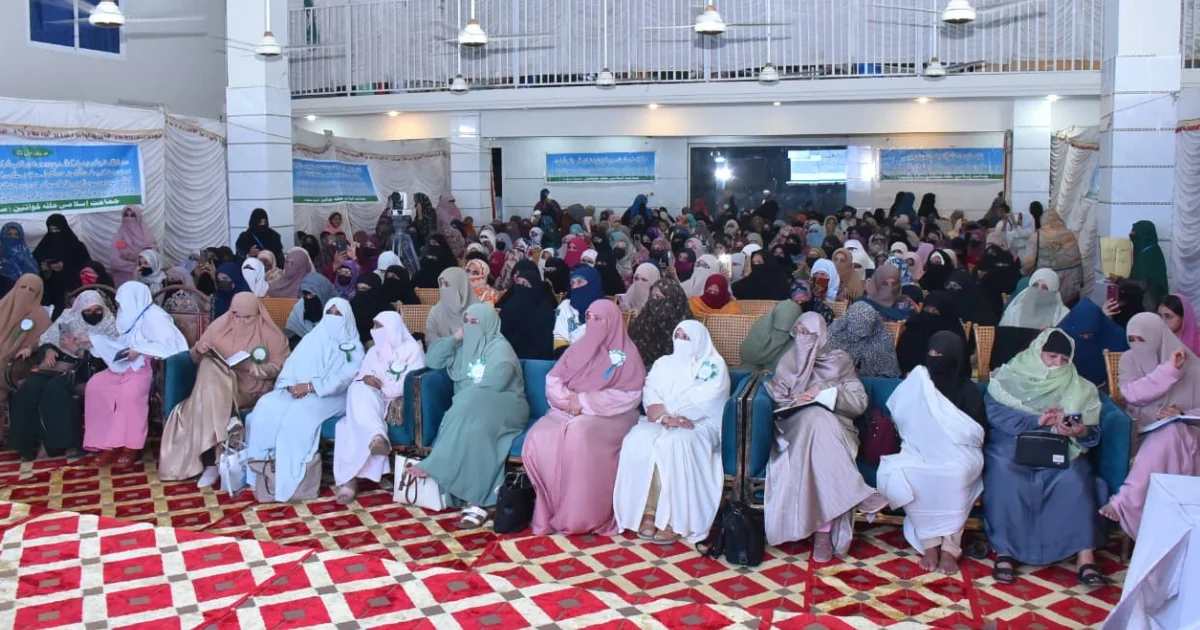
Emphasising the importance of Quranic education, Rehman said Quran study sessions should go beyond routine religious activities and bring meaningful changes in people's thinking, character and everyday lives. JI members, particularly women, should make Quranic recitation, translation and understanding an integral part of their lives and help other women learn the Holy Book.
Speaking about the younger generation, he said children and young people were growing up in an environment shaped by mobile phones, the internet and modern technology. Their upbringing required more than restrictions; parents and mentors needed to understand their mindset, identify their abilities and provide opportunities for constructive activities.
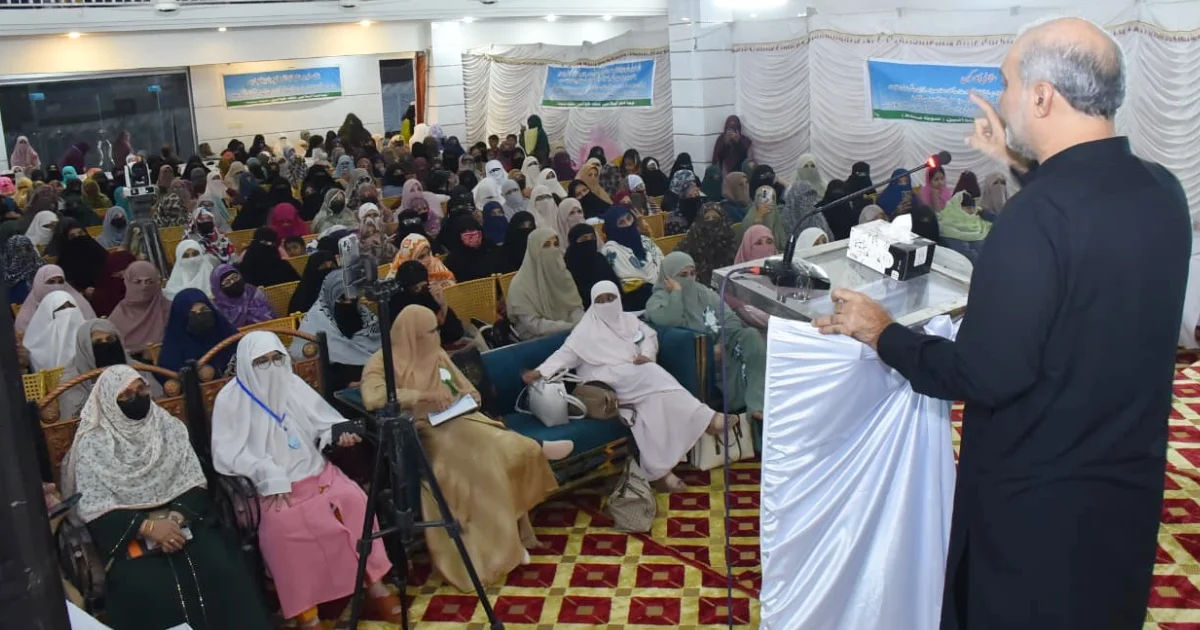
He called for engaging young people with the party's collective mission through affection, wisdom and encouragement.
Addressing the gathering, Kashif Saeed Sheikh said the party's organisational structure was not an end in itself but a means to achieve the establishment of Deen. Organisational activities, meetings and gatherings would serve their real purpose only when they contributed to the broader struggle for an Islamic transformation of society. Comparing the party's electoral performance in 1970 and 2024, he said JI had demonstrated considerable electoral strength in different parts of Sindh in the past despite limited resources and difficult circumstances.
Rakhshanda Muneeb said a genuine understanding of the Quran transformed people's thinking, character and practical lives. She described working for the cause of Islam as both an honour and a responsibility, urging religious workers to practise obedience to Allah themselves and strive to free society from subservience to anyone other than Him.