JI Emir Calls for Muslim Unity, Joint Strategy Against Extremism
Hafiz Naeem ur Rehman addressing an international conference organised by the International Union of Muslim Scholars in Istanbul

ISTANBUL, Oct 29: Jamaat-e-Islami Pakistan Emir Hafiz Naeem ur Rehman has urged Muslim scholars worldwide to develop a joint strategy to protect the Muslim Ummah from sectarianism, extremism, intolerance and takfiri ideologies, stressing that dialogue and cooperation are essential to resolving conflicts among Muslim countries.
Addressing an international conference organised by the International Union of Muslim Scholars in Istanbul, he called for a clear and unified Islamic policy on Palestine and Kashmir and proposed establishing a global platform to represent Muslim minorities and highlight their concerns.
More than 200 Muslim scholars, religious figures and prominent personalities from Turkey and other countries are attending the two-day conference.
Speakers included Dr Muhammad Gormez of Turkey, Dr Essam al-Bashir of Sudan, Sheikh Muhammad al-Hasan al-Dedew of Mauritania, Sheikh Hammam Saeed of Jordan, Dr Salim al-Ja'fari of Indonesia and Sheikh Ali al-Sallabi of Libya, along with other scholars and leaders of religious and political movements.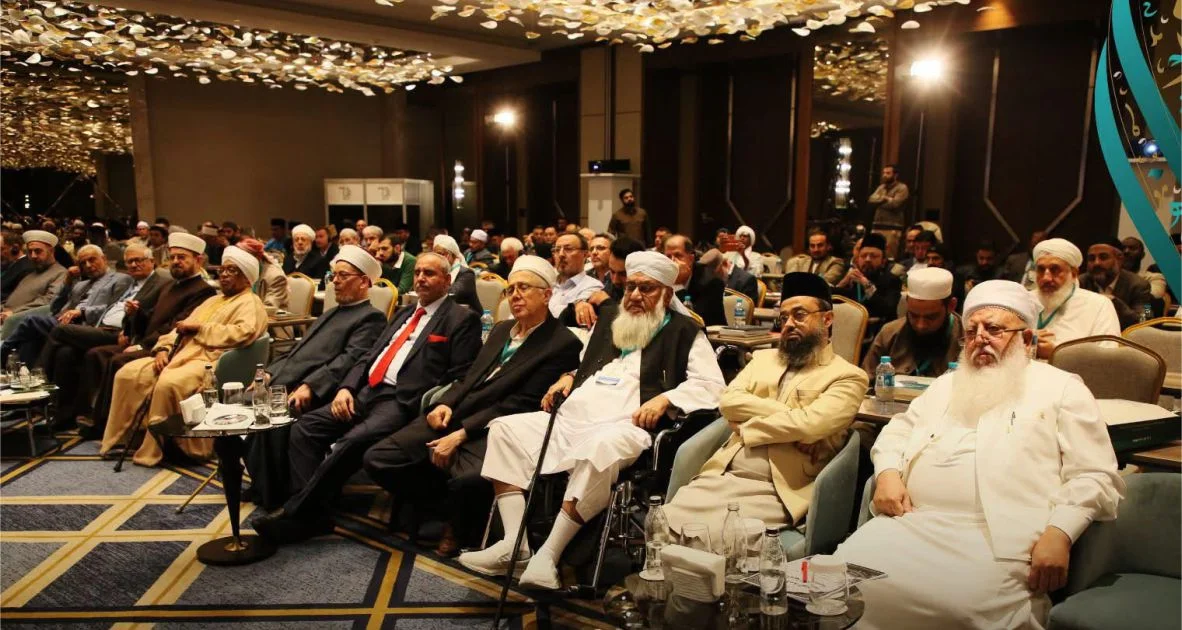
Rehman said Islam had established a global community based on faith and brotherhood, transcending differences of race, colour, nationality and language. Religious scholars, he added, had a responsibility to guide Muslims and develop practical responses to the serious challenges confronting the Ummah.
He warned that Zionist forces sought to exploit divisions within the Muslim world and turn Muslims against one another. The Ummah must foil these efforts by strengthening unity, avoiding sectarian prejudices and prioritising collective interests over narrow national considerations.
Conflicts and tensions among Muslim countries in the region, he said, were often fuelled by sectarian biases and limited national interests at the expense of the wider Muslim community.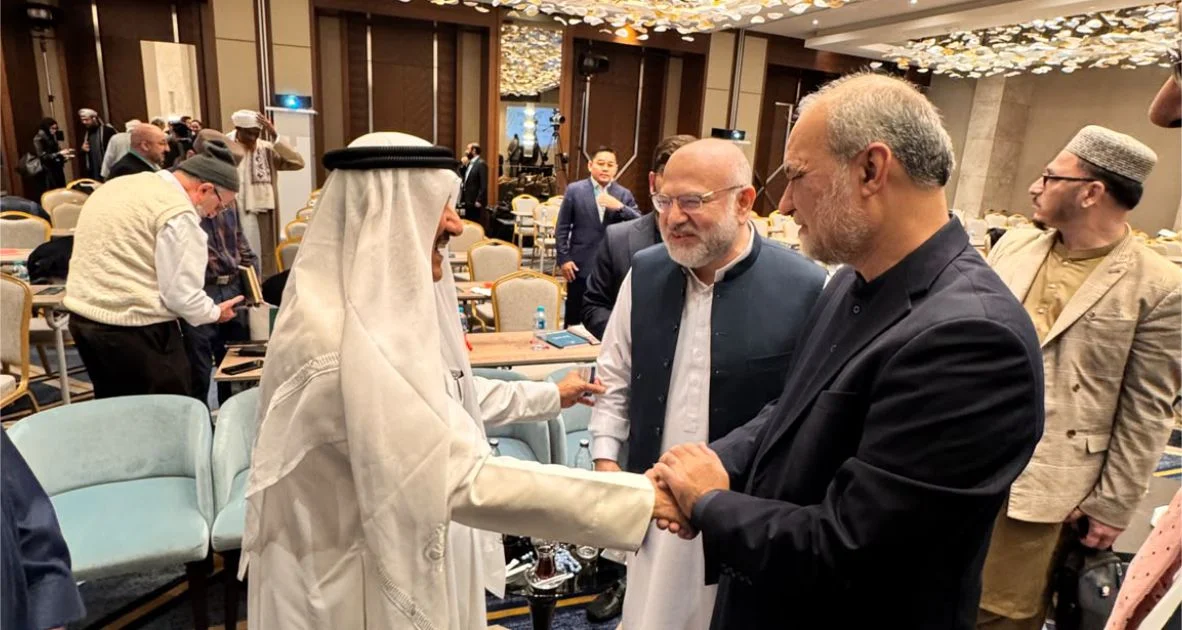
He stressed that peace, stability and harmony could only be achieved by promoting dialogue and negotiations to resolve disputes. Scholars should encourage Muslim governments to pursue cooperation rather than hostility, he added.
Citing Pakistan's experience, the JI chief referred to the Milli Yakjehti Council, where scholars representing different schools of thought had signed a 70-point code of conduct to counter sectarianism. He said this demonstrated that dialogue and consensus could help resolve serious differences and could serve as a model for improving relations among Muslim countries.
Rehman urged Muslim governments to invest their resources in education, justice, economic prosperity and technological advancement instead of allowing internal divisions to weaken the Ummah.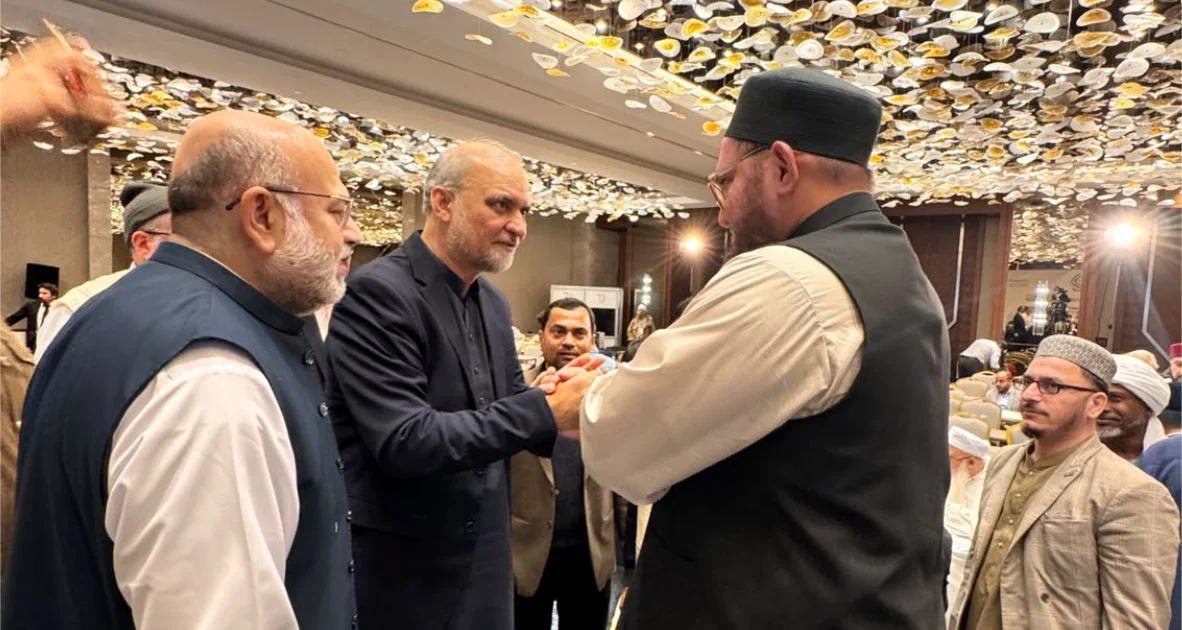
He also called on scholars to address contemporary economic and social challenges through collective deliberation and guidance rooted in the Quran and Sunnah. He said the absence of effective government-level mechanisms for dealing with modern challenges had increased the responsibility of religious scholars to develop consensus on emerging issues.
Highlighting the concerns of women, he said their growing participation in different professions and sectors required scholars to examine their contemporary challenges and provide practical guidance in accordance with Islamic teachings and present-day realities.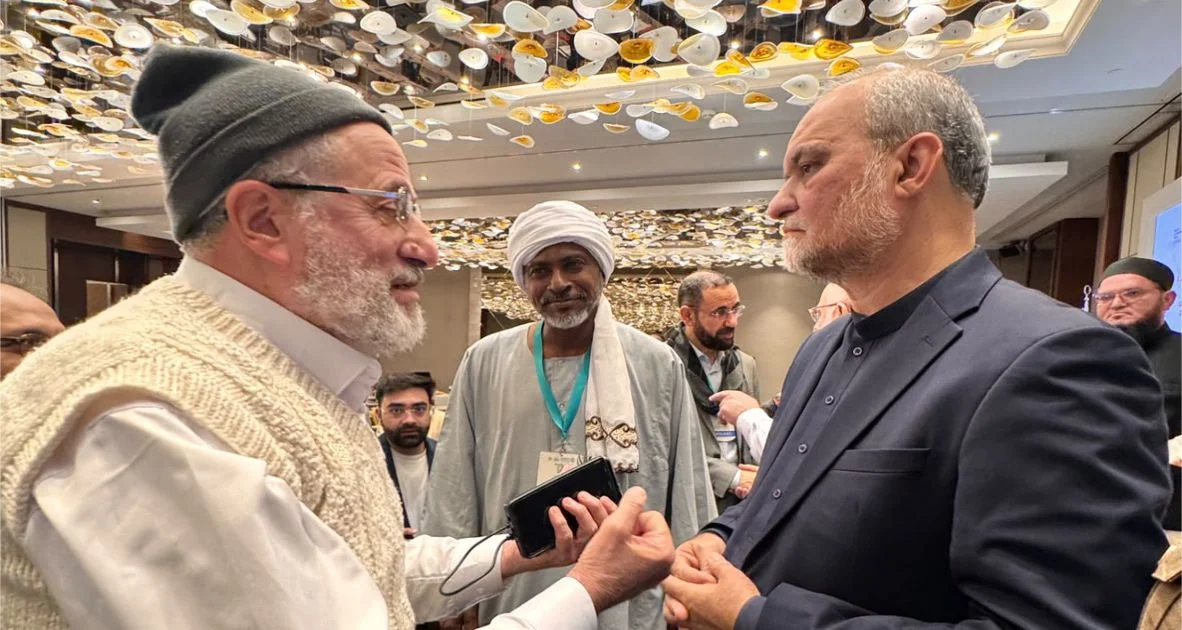
The JI emir also identified Generation Z as a major challenge, saying scholars must understand the mindset and questions of young people. Continuing to rely exclusively on approaches shaped by circumstances from decades or centuries ago would leave many of their concerns unanswered and risk alienating an entire generation.
He stressed the need to understand emerging financial and economic issues, including cryptocurrency, and develop relevant religious guidance. Political challenges, he added, also required political solutions based on a realistic understanding of present-day circumstances.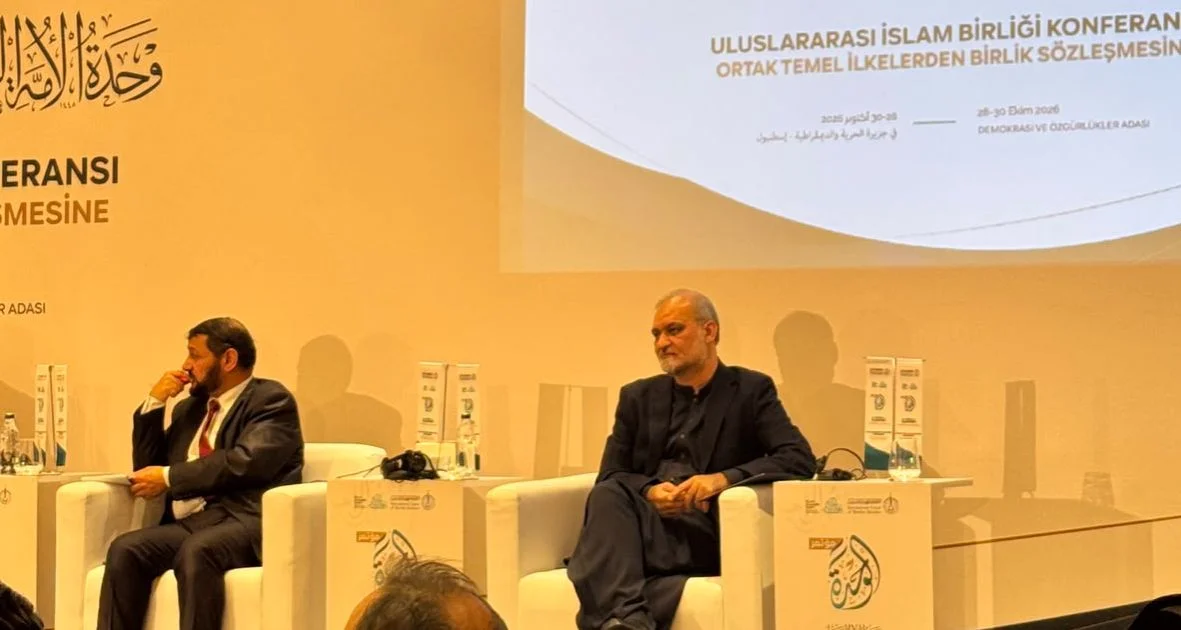
Turning to Muslim minorities, Hafiz Naeem ur Rehman said their problems in different countries must become a priority for the Muslim leadership. He noted the participation of prominent Indian scholars in the conference and called for a global platform through which Muslim minorities could raise their concerns collectively.
He reiterated that Palestine and Kashmir required a clear and unified policy based on the Quran and Sunnah, urging scholars to provide principled guidance on these longstanding disputes.
Concluding his address, Rehman proposed forming specialised subcommittees to examine five or six major challenges facing the Muslim Ummah and work regularly towards practical solutions. He urged scholars to turn their deliberations into collective action to strengthen Muslim unity and address the changing needs of the modern world.