Emir Jamaat-e-Islami Hafiz Naeem ur Rehman inaugurates “Mera Brand Pakistan Expo 2026”
JI Emir speaking to the media after inaugurating the “Mera Brand Pakistan Expo 2026,”

ISLAMABAD, Nov 21: Emir Jamaat-e-Islami Pakistan Hafiz Naeem ur Rehman has said that Pakistani products cannot compete in the international market due to high electricity and gas prices. The government should provide affordable electricity and gas to the industrial sector.
Hafiz Naeem ur Rehman said that the “Mera Brand Pakistan Expo” is a global initiative, adding that exhibitions showcasing Pakistani brands would also be organized in Dhaka, Türkiye and several other countries.
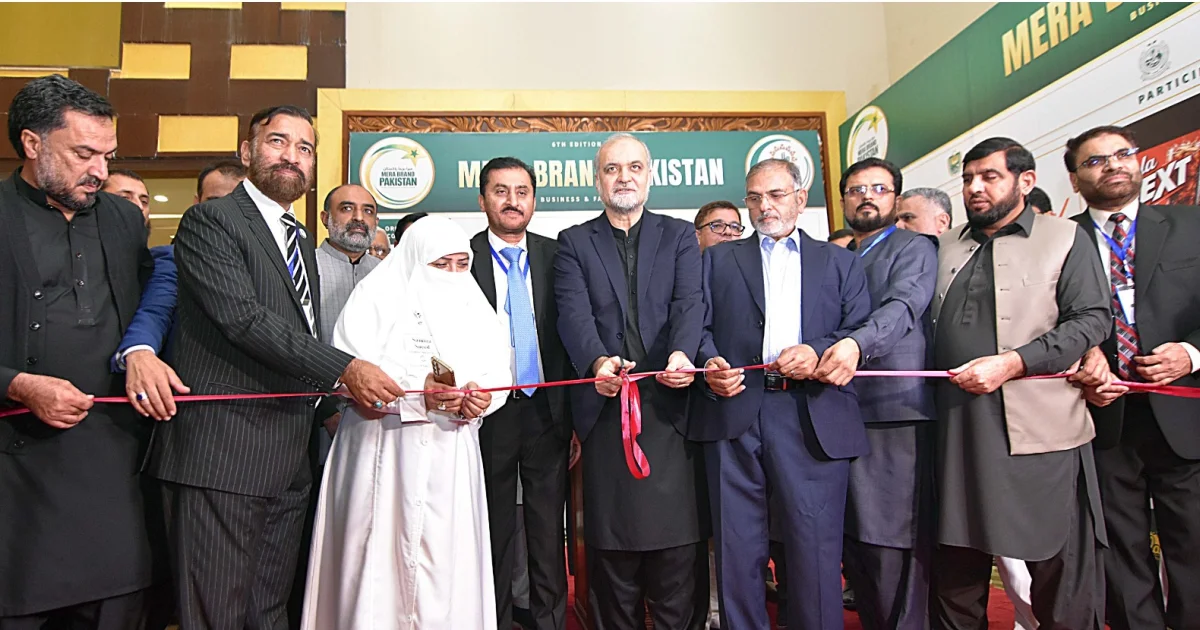
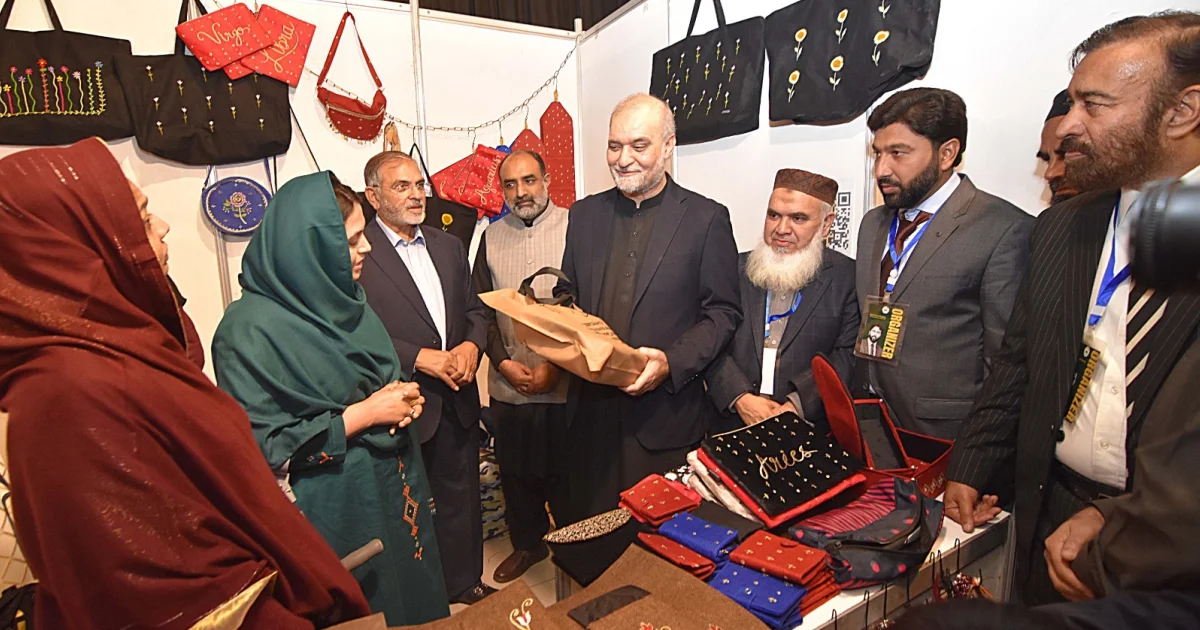
Speaking to the media after inaugurating the “Mera Brand Pakistan Expo 2026,” organized by the International Business Forum Pakistan in Islamabad, Hafiz Naeem ur Rehman congratulated the Pakistan International Business Forum on organizing the exhibition.
He said that 170 brands had set up stalls at the expo. Following Israel's attacks on Palestine, the need to promote Pakistani brands was highlighted. After the boycott of Israeli brands, the importance of providing alternative products was felt.
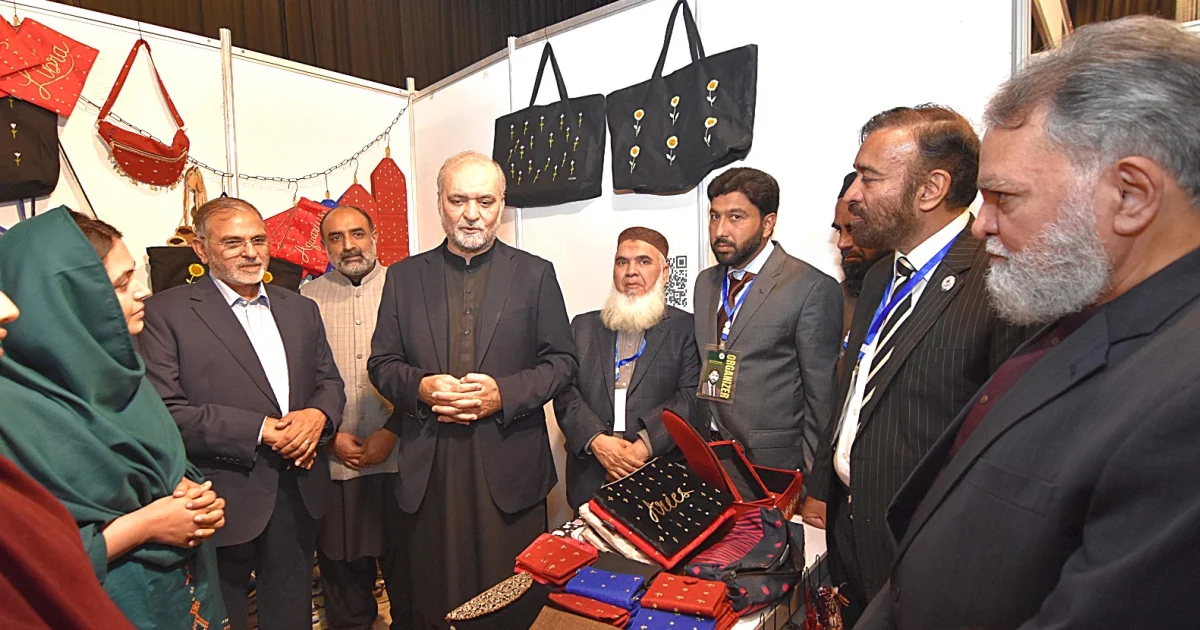
President of the Pakistan International Business Forum, Dr Mushtaq Ahmed Mangat, also addressed the ceremony. Secretary General Ejaz Tanveer, Rao Javed, Zahid Khan Mughal, Acting Ameer of Islamabad Shahid Rafi, General Secretary Zubair Safdar, Deputy Secretary of the Women's Wing Samina Saeed, Nazima Islamabad Qudsia Namus and other leaders were also present on the occasion.
Hafiz Naeem ur Rehman said that it was our responsibility to support the Palestinians and allocate a share of our profits for their welfare. He said that the exhibition would not remain limited to Pakistan, as Pakistani brands would also be showcased in other countries. He added that Pakistan had a domestic market of 250 million people.
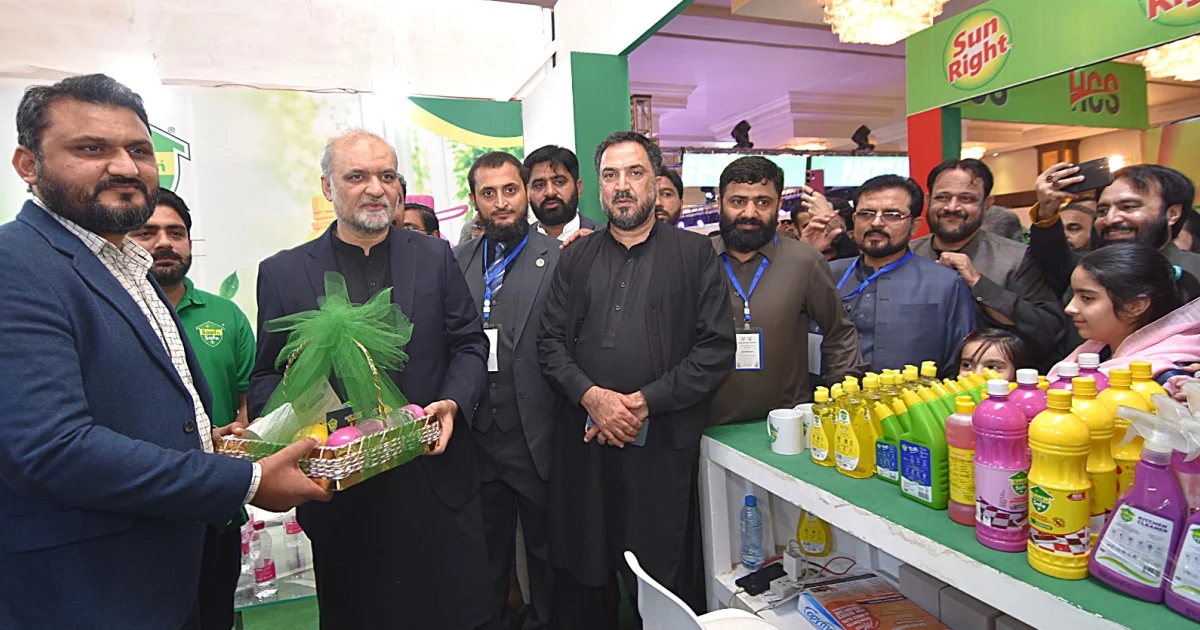
He said that the country's industrial sector was facing the challenge of expensive electricity and gas, making it difficult for Pakistani products to compete in international markets. He demanded that the government provide affordable electricity and gas to industries so that Pakistani products could compete in global markets.
He said that the government had promised to provide electricity to industries at eight cents but had failed to honour its commitment. He added that Independent Power Producers (IPPs) were being paid Rs1,800 billion annually in capacity payments, benefiting a particular mafia. Pakistani products, he said, were not being provided with the necessary facilities.
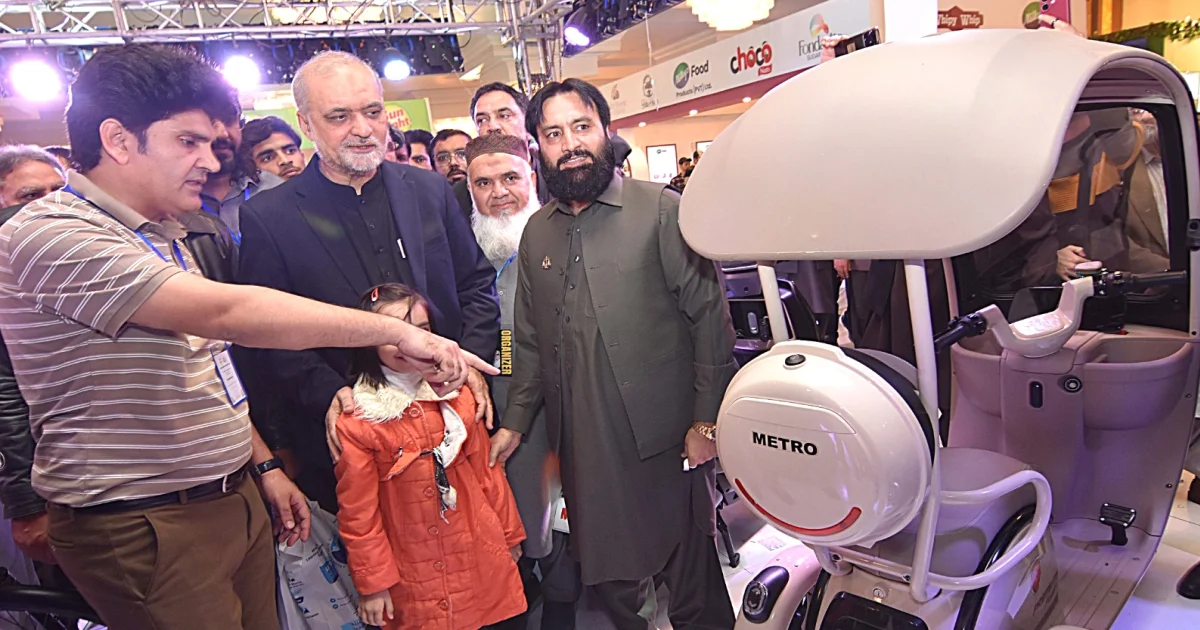
He also urged Pakistani industries to maintain quality standards in manufacturing their products, warning that attempts by some individuals to maximize profits at the expense of quality would damage the industrial sector. He said that Jamaat-e-Islami did not merely raise demands but also proposed solutions to problems.
Hafiz Naeem ur Rehman said that more than two million young people had registered under the Bano Qabil programme and urged the industrial sector to invest in training and developing the skills of young people.
He welcomed the participation of a large number of women exhibitors at the expo. He said that multinational companies should be given opportunities, but not at the expense of domestic industries.
He also questioned what steps the government was taking to meet the December 31, 2027 deadline for eliminating interest (Riba) from the country's economic system. He said that Jamaat-e-Islami engaged with the government on every issue that could benefit the public.
He observed that political leaders united whenever the issue of extensions arose, but no one spoke up for the public. He said that Jamaat-e-Islami had also opposed the 27th Constitutional Amendment, adding that all political parties joined hands when it came to protecting their personal interests.