What We Have Delivered
Service Turned into Action

From Principle to Performance
Jamaat-e-Islami has always maintained that public leadership must be judged not only by speeches and promises, but by what it delivers when entrusted with responsibility. Across different periods of Pakistan’s history, Jamaat has contributed to constitutional development, democratic institutions, municipal governance, provincial administration, education, healthcare, infrastructure, humanitarian relief and economic empowerment.
Its experience ranges from helping shape Pakistan’s constitutional direction after independence to governing Karachi, managing key ministries in Khyber Pakhtunkhwa, running nine towns in Karachi today, and developing one of the country’s largest organised networks of welfare and community service.
The circumstances have differed, but the underlying principle has remained the same: authority is an amanah, and public responsibility must translate into measurable service.
Shaping Pakistan’s Constitutional Direction
Jamaat-e-Islami’s contribution to Pakistan began at the level of ideas and institutions.
Soon after independence, Jamaat launched the Demand for an Islamic Constitution, arguing that the new state required a constitutional framework reflecting its Islamic identity while ensuring representative government, fundamental rights, accountability and the rule of law. The adoption of the Objectives Resolution in 1949 marked an important step in this direction.
In 1951, thirty-one leading scholars representing different schools of Islamic thought reached agreement on the historic 22 Constitutional Points, providing a remarkable example of religious consensus on the principles of an Islamic democratic state. Maulana Syed Abul A‘la Maududi played an important role in this process.
Jamaat continued to participate in constitutional and parliamentary struggles in the decades that followed. During the framing of the 1973 Constitution, Professor Abdul Ghafoor Ahmad represented Jamaat in the negotiations that helped produce a broad national consensus around a federal parliamentary constitution containing Islamic provisions, fundamental rights and representative institutions.
For Jamaat, constitutional development has always been part of public delivery because strong institutions, protected rights and limits on arbitrary power shape the lives of generations.
Abdul Sattar Afghani: Strengthening Karachi and Its Local Government
The election of Abdul Sattar Afghani as Mayor of Karachi in 1979, followed by his re-election in 1983, gave Jamaat-e-Islami one of its earliest major opportunities to demonstrate its model of urban governance.
His tenure combined municipal development with a persistent struggle to strengthen the authority and financial capacity of Karachi’s elected local government.
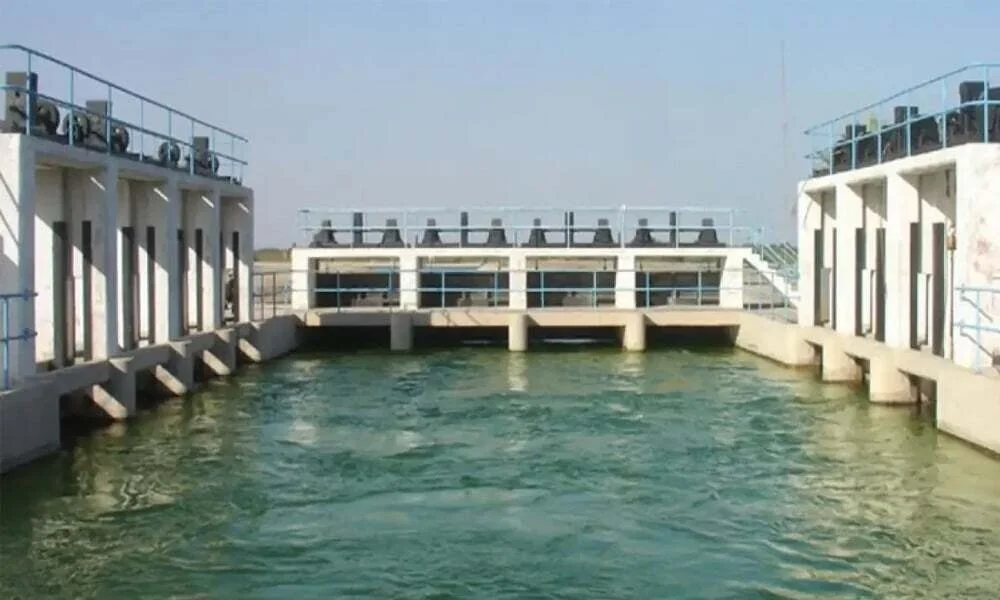
The K-I water-supply project was completed during his tenure, while K-II was initiated, expanding the city’s long-term water infrastructure. Water supply from Hub Dam was also ensured during this period. The creation of the Karachi Water and Sewerage Board provided a more organised institutional framework for managing the city’s growing water and sewerage requirements.
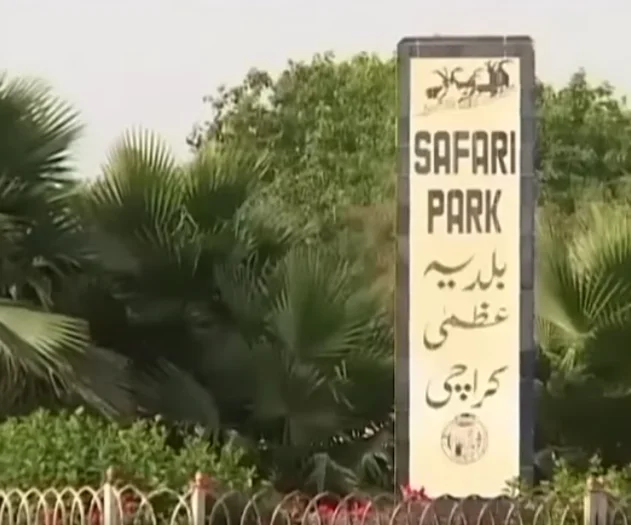
His administration worked extensively on roads, public grounds, parks and recreational spaces across Karachi. Taleemi Bagh, the Islamic Centre and improvements to Safari Park were among the prominent public projects associated with the period. Encroachments were removed from different areas, municipal infrastructure was expanded and public spaces received greater attention.
Karachi also developed stronger municipal engagement with major international cities and visiting civic leadership, including interaction with the leadership of Shanghai.
One of the most significant achievements of the Afghani administration was financial. During his tenure, the financial capacity of Karachi’s municipal government increased approximately tenfold, allowing the city government to undertake development on a far greater scale.

Afghani also became known for confronting provincial authorities over Karachi’s fiscal rights. He demanded that the elected municipal government receive its rightful share of taxes and revenues collected from the city. This struggle eventually led to confrontation with the provincial government, but it established an important principle that Jamaat continues to advocate today: local governments cannot serve citizens effectively unless they possess real administrative authority and adequate financial resources.
His public life was equally distinguished by simplicity and accessibility. Despite twice serving as mayor of Pakistan’s largest city, he remained connected with ordinary citizens and was widely remembered for clean and modest public leadership.
Naimatullah Khan: Transforming the Scale of Urban Government
When Naimatullah Khan became City Nazim of Karachi in 2001, the city was facing enormous infrastructure pressures. Roads, water, transport, sewerage and municipal services had failed to keep pace with Karachi’s rapid expansion.
His administration dramatically increased the capacity of city government. Karachi’s budget rose from approximately Rs4 billion to around Rs44 billion, allowing an unprecedented expansion of municipal development.
The city government developed a comprehensive programme that included 18 flyovers, six underpasses, two signal-free corridors and major water-supply projects. Roads were reconstructed, water and sewerage lines replaced, public spaces developed and new urban infrastructure planned across the city.
A distinguishing feature of the administration was its attempt to bring the different institutions operating in Karachi onto one development platform. Federal institutions, provincial authorities, utilities and other stakeholders were brought into the wider development process rather than allowing Karachi’s fragmented administrative structure to prevent progress.
The K-III water project was initiated during this period to significantly increase Karachi’s water supply. The administration also established the Karachi Institute of Heart Diseases, expanding access to specialised cardiac healthcare through the local-government system.
Public transport was another major concern. The administration introduced modern buses imported from Sweden as part of an effort to provide Karachiites with safer and more affordable transport options.
Naimatullah Khan also turned barren and neglected land into family parks and recreational spaces, recognising that urban development meant more than roads and bridges. Karachi’s extensive coastline presented another challenge. His administration recruited young men from coastal villages who were already skilled swimmers and engaged them as lifeguards, combining employment with protection for thousands of citizens visiting Karachi’s beaches.
The defining features of his tenure were not only the volume of infrastructure developed but the style of governance behind it: honesty, accessibility, long working hours, fiscal discipline and a citywide approach to development.
The Naimatullah Khan period demonstrated what an empowered metropolitan government could achieve when municipal leadership was given space to plan and act.
Governance and Institution-Building in Khyber Pakhtunkhwa
Jamaat-e-Islami also received significant administrative responsibility in Khyber Pakhtunkhwa, particularly during the MMA government and later during its coalition with Pakistan Tehreek-e-Insaf.
As provincial health minister, Inayatullah Khan oversaw efforts to strengthen healthcare outside Peshawar. Twenty-two district headquarters hospitals were upgraded towards Category A and B standards, with the objective of providing better healthcare closer to district populations.
Medical education was also expanded. Khyber Girls Medical College and Bannu Medical College were established, while medical institutions in Dera Ismail Khan and Saidu Sharif were strengthened and renovated.
The foundation of what later became the Peshawar Institute of Cardiology was laid during this period. Lady Reading Hospital also underwent development, including renovation and expansion of medical facilities.
These measures reflected an approach that sought to strengthen permanent public institutions rather than rely only on temporary programmes.
Devolution and Local Government in Khyber Pakhtunkhwa
When Inayatullah Khan later assumed responsibility for the Local Government Department, the province moved towards an extensive elected local-government system.
Local-government elections were held in 2015, restoring elected representation across the province. A substantial portion of provincial development resources was transferred towards the local-government structure so that decisions and development spending could move closer to communities.
The department introduced e-tendering, helping reduce discretionary contracting and bringing greater transparency and competition into development projects.
Urban improvement programmes were undertaken across divisional headquarters. In Peshawar, billions of rupees were directed towards internal roads and municipal infrastructure. Main roads were improved and beautified, green belts developed and major traffic infrastructure, including flyovers, formed part of the wider uplift programme.
The underlying principle was the same one Jamaat had advocated in Karachi: authority, resources and accountability must reach the local level.
Siraj-ul-Haq: Public Finance With Restraint
Siraj-ul-Haq served as Finance Minister of Khyber Pakhtunkhwa during two different coalition governments.
His approach emphasised fiscal discipline, reduction of unnecessary government expenditure, greater investment in social sectors and movement towards financial arrangements consistent with Islamic principles.
During his earlier tenure, provincial debt management received particular attention, with reported liabilities being reduced despite limited provincial resources. His ministry also supported the transition of the Bank of Khyber towards Islamic banking.
Interest-free financing and livelihood support became an important element of this approach. Programmes were developed to provide interest-free loans to unemployed youth, small entrepreneurs and families seeking productive livelihoods, rather than trapping them in conventional debt.
Education and healthcare remained major budget priorities, while austerity measures sought to reduce unnecessary ministerial and administrative expenditure.
The broader objective was to demonstrate that financial management should not merely balance accounts. It should direct public resources towards education, healthcare, employment, welfare and productive economic activity.
Karachi’s Nine Towns: Local Government Returns to the Neighbourhood
After the 2023 local-government elections, Jamaat-e-Islami assumed leadership of nine town municipal corporations in Karachi.
Despite the continuing limitations imposed on Karachi’s local-government system, these administrations have focused on neighbourhood-level delivery: roads, streets, schools, dispensaries, parks, sports facilities, youth centres, sanitation and public spaces.
In Gulberg Town, the Taleem Card was introduced to support students with educational expenses, including books, stationery and uniforms.
Public dispensaries have been maintained and strengthened in different towns, demonstrating that municipal government can contribute directly to basic healthcare.
In Liaquatabad, neglected land was transformed into a modern sports complex, providing young people with organised recreational facilities.
Across Gulshan-e-Iqbal, North Karachi, Jinnah Town and Model Colony, youth centres, parks and community spaces have been developed or restored as part of a wider effort to bring constructive public facilities closer to residents.
Public schools under JI-led towns have also received renewed attention. In areas where government-run education has often struggled to attract families, municipal schools have been renovated, improved and brought back into demand. Educational institutions in Nazimabad and other towns have been upgraded, while some public schools have seen admissions filled because of improvements in standards and facilities.
Large-scale road and street works have also been undertaken. Model Mohallas, improved streets, reconstructed roads, better lighting, restored parks and redesigned public spaces increasingly form part of the development model across the nine towns.
The objective is straightforward: local government should be visible in the everyday life of a neighbourhood.
Service Beyond Government
Jamaat-e-Islami’s record of public service has never depended solely on holding political office.
Its tradition of organised welfare eventually developed into major institutions, particularly Alkhidmat Foundation, which today operates through its own professional and administrative structure across Pakistan and internationally.
The scale of this service illustrates how voluntary organisation can develop into permanent humanitarian infrastructure.
In 2025 alone, Alkhidmat reported approximately 24.64 million beneficiaries and total expenditure of Rs26.41 billion across its major programmes.
Healthcare represented one of the largest areas of work, reaching more than 11.47 million beneficiaries through a network that included:
- 57 hospitals
- 55 medical centres
- 68 pharmacies
- 296 ambulances
- 16 mobile health units
- 39 major laboratories and diagnostic centres
- More than 1,100 medical camps
The objective is not only to provide occasional medical assistance but to build healthcare systems capable of serving communities throughout the year.
Disaster Response When Communities Need It Most
Natural disasters have repeatedly tested Pakistan’s institutional capacity. Alkhidmat’s disaster-management network has developed around rapid volunteer mobilisation, rescue, food, shelter, hygiene support and reconstruction.
Its recent programme figures include more than 1.57 million disaster-management beneficiaries, tens of thousands of volunteers, large-scale ration distribution, emergency shelters, hygiene kits and reconstruction projects.
The ability to mobilise workers and volunteers quickly remains one of the distinguishing strengths of Jamaat’s wider service network.
Water, Food and Community Support
Water and sanitation programmes have reached millions of people through wells, filtration systems and other clean-water projects.
Community services extend further into food support, wheelchairs, assistance to prisoners and vulnerable families, marriage support, mosque construction and rehabilitation, winter packages and other forms of local welfare.
In 2025, community-service programmes alone reached more than 3.8 million beneficiaries.
Such programmes address immediate hardship, but increasingly they are being linked with longer-term opportunities for education, employment and independence.
Caring for Orphans With Dignity
Orphan care is another area in which temporary assistance has developed into a comprehensive institutional model.
More than 34,000 orphan children are supported through sponsorship and family-support programmes, while hundreds of study centres provide educational and developmental assistance.
The Aghosh Homes network, with 25 operational facilities and further centres under development, provides residential care, education and a supportive family environment for children who require more comprehensive assistance.
The aim is not simply to meet material needs, but to provide children with the education, confidence and environment required for a secure future.
Education and Skills: From Support to Independence
Jamaat’s wider service model has increasingly moved from conventional welfare towards education, skills and economic independence.
The Bano Qabil programme has become one of the most visible examples of this shift. More than 1.2 million registrations have been recorded, with 87,000+ graduates, over 120 IT centres, operations across 40 cities and training in around 25 core courses.
The programme provides technology, digital and employability skills with the objective of connecting young people to freelancing, employment, entrepreneurship and the modern digital economy.
For families unable to afford expensive private training, this creates an opportunity not simply to receive assistance, but to develop the ability to earn independently.
Interest-Free Economic Empowerment
Economic welfare cannot remain permanently dependent on grants.
Through interest-free microfinance and livelihood programmes, families and small entrepreneurs are supported in establishing sustainable sources of income.
Recent programme figures show an interest-free financing portfolio of approximately Rs866 million, operating through more than fifty clusters with a reported recovery rate of 97 per cent.
The philosophy is based on dignity: help people acquire the resources and opportunity required to become economically independent rather than remain permanently dependent upon assistance.
Humanitarian Responsibility Beyond Pakistan
The same institutional capacity has enabled humanitarian work beyond Pakistan.
In Gaza, relief operations have included food, medicines, shelter material, hygiene supplies, educational support and other essential assistance delivered through air, sea and land routes.
Thousands of tonnes of assistance have been mobilised, alongside millions of meals, food items, medicines, tents, blankets, family packs and educational support for displaced children.
For Jamaat-e-Islami, solidarity with oppressed people is expressed politically through advocacy, but also practically through humanitarian service.
A Consistent Understanding of Public Responsibility
These contributions span more than seven decades and very different forms of responsibility. Some were achieved through Parliament. Some through municipal government. Others through provincial ministries, elected towns or voluntary institutions.
Yet several principles connect them.
Public office is an amanah.
Government should serve people rather than become a means of personal privilege.
Authority must reach communities.
Local government should possess both the power and resources required to solve local problems.
Institutions matter more than announcements.
Hospitals, schools, colleges, water systems, transparent procurement mechanisms and functioning municipalities continue serving people after individual leaders leave office.
Service cannot depend upon electoral victory.
A movement committed to social reform must remain present among people whether it is governing or sitting in opposition.
Relief should ultimately lead towards empowerment.
Education, skills, healthcare and economic opportunity allow people to move from dependency towards dignity and self-reliance.
The Record Continues
Jamaat-e-Islami does not claim that every problem was solved whenever it received responsibility. Pakistan’s cities, institutions and communities face challenges far greater than any single administration or organisation can address.
The record nevertheless demonstrates that when opportunities for responsibility have arisen, Jamaat has sought to translate its principles into constitutional safeguards, stronger local government, public infrastructure, healthcare, education, transparent administration, humanitarian service and economic opportunity.
For Jamaat-e-Islami, the ultimate measure of politics is not the amount of power acquired.
It is what changes in the lives of people when that power is entrusted.