JI Emir Warns of Islamabad March in Mid-November
Addressing a press conference at Mansoorah on Monday

Jamaat-e-Islami Pakistan Emir Hafiz Naeem ur Rehman has warned the government of a full-scale march on Islamabad in mid-November if Prime Minister Shehbaz Sharif fails to abolish the petroleum levy, saying the JI workers and supporters are ready for the next phase of their protest movement.
Addressing a press conference at Mansoorah on Monday, he said a meeting with the prime minister would take place within the next two to three days on a specific agenda, but the JI’s primary objective was to secure relief for the public rather than hold talks for their own sake.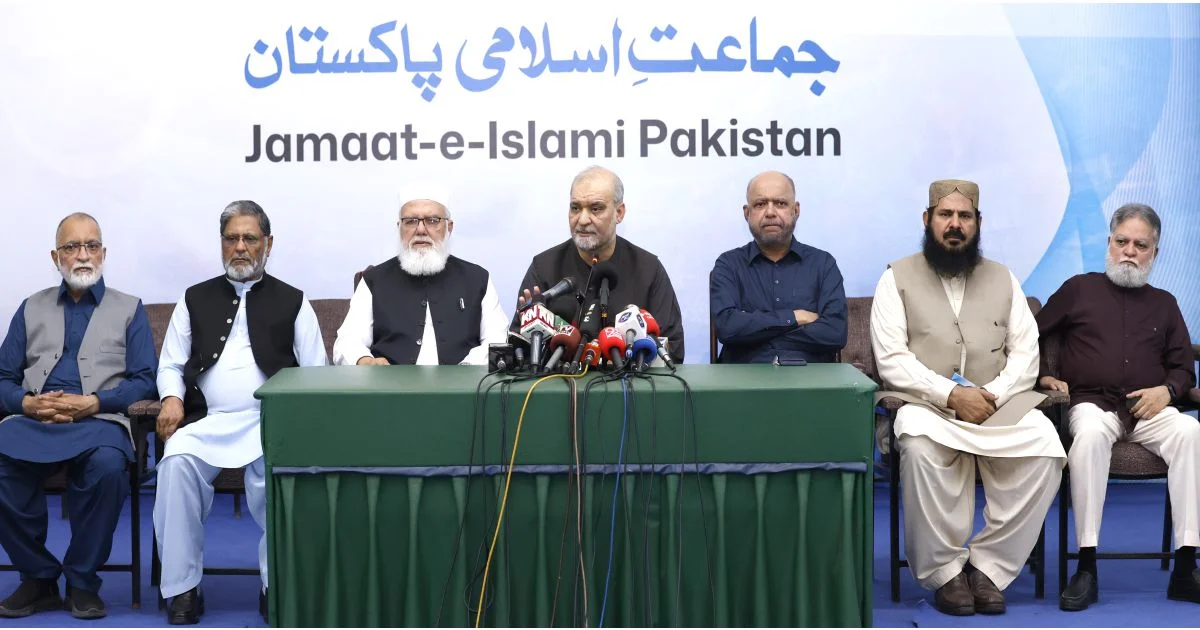
“If the prime minister does not abolish the levy, there will be no further meeting,” he said, warning that the party would adopt a tougher strategy after exercising restraint for a considerable period.
JI vice emirs Liaqat Baloch, Dr Osama Razi, acting secretary general Nazir Ahmad Janjua, Punjab central emir Javed Kasuri, Lahore emir Ziauddin Ansari and information secretary Shakil Ahmed Turabi were also present at the press conference.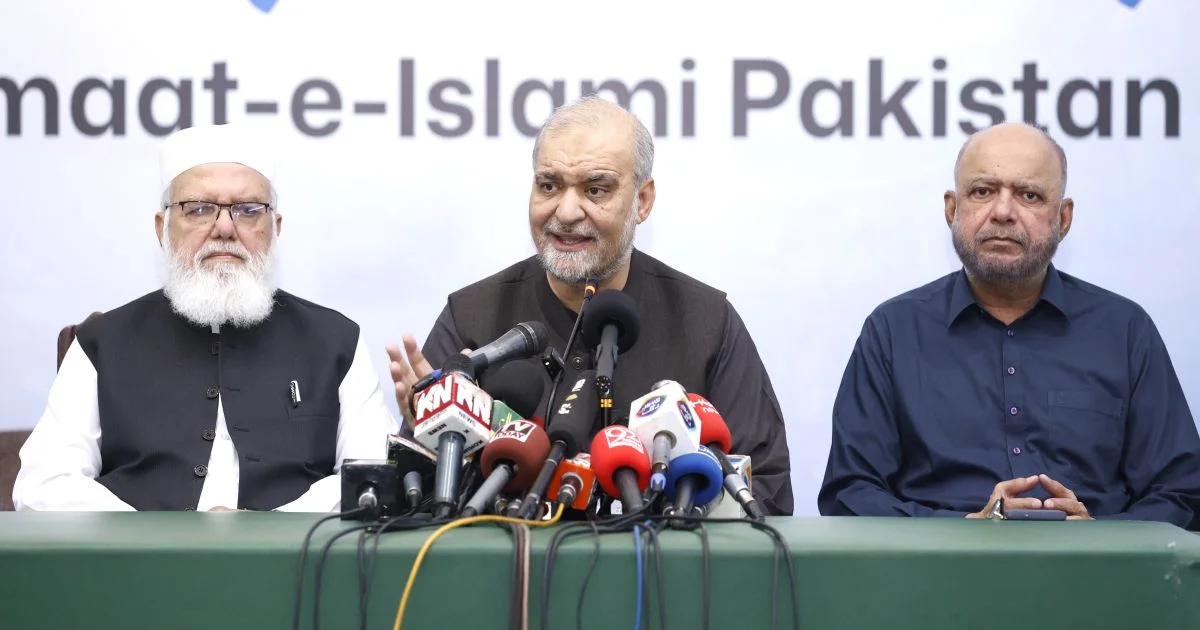
Rehman said the public was increasingly angry over rising prices and urged the government to act before the situation spiralled out of control. He said JI's district-level elections would conclude by November 1, after which preparations for the Islamabad march would begin in full swing.
He questioned whether the government intended to provide relief only when people surrounded Parliament, adding that the party had demonstrated political responsibility and patience but could no longer afford to wait.
The JI chief rejected the government's argument that it lacked fiscal space to abolish the levy or was constrained by the International Monetary Fund (IMF). He argued that the IMF agreement did not prohibit the government from ending the levy and questioned how the authorities had found Rs160 billion in fiscal space for imposing emergency measures in Khyber Pakhtunkhwa.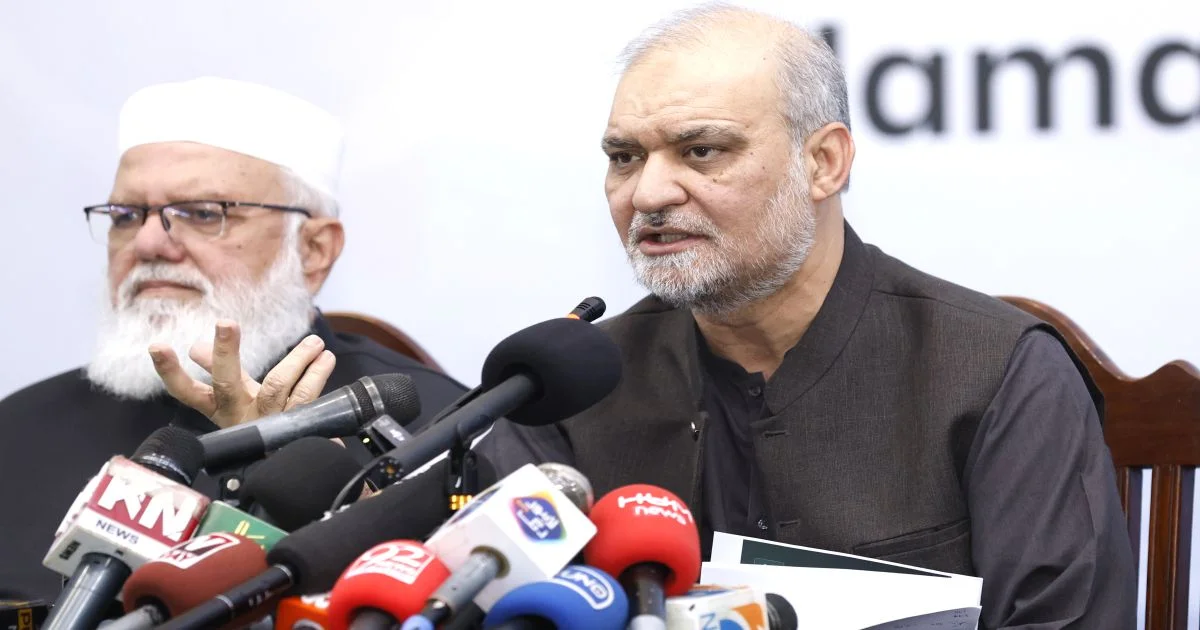
He also described the government's existing relief package on petrol as inadequate, saying it failed to cover around 15 million motorcycles, hundreds of thousands of cars and public transport users.
Highlighting the burden of inflation, he said flour prices had exceeded Rs7,000 per 40kg bag, despite the government purchasing wheat from farmers at Rs3,500 per 40kg. He criticised the doubling of flour prices and said small farmers were being ruined while agriculture was deteriorating. The price of DAP fertiliser had also reached Rs17,500 per bag, he added.
Rehman urged the government to reduce its own privileges and expenditures, operate oil refineries at full capacity and lower interest rates. He said refinery profits had increased by between 1,000 and 1,100 per cent in a year, while oil marketing companies continued to earn billions of rupees and independent power producers received substantial payments.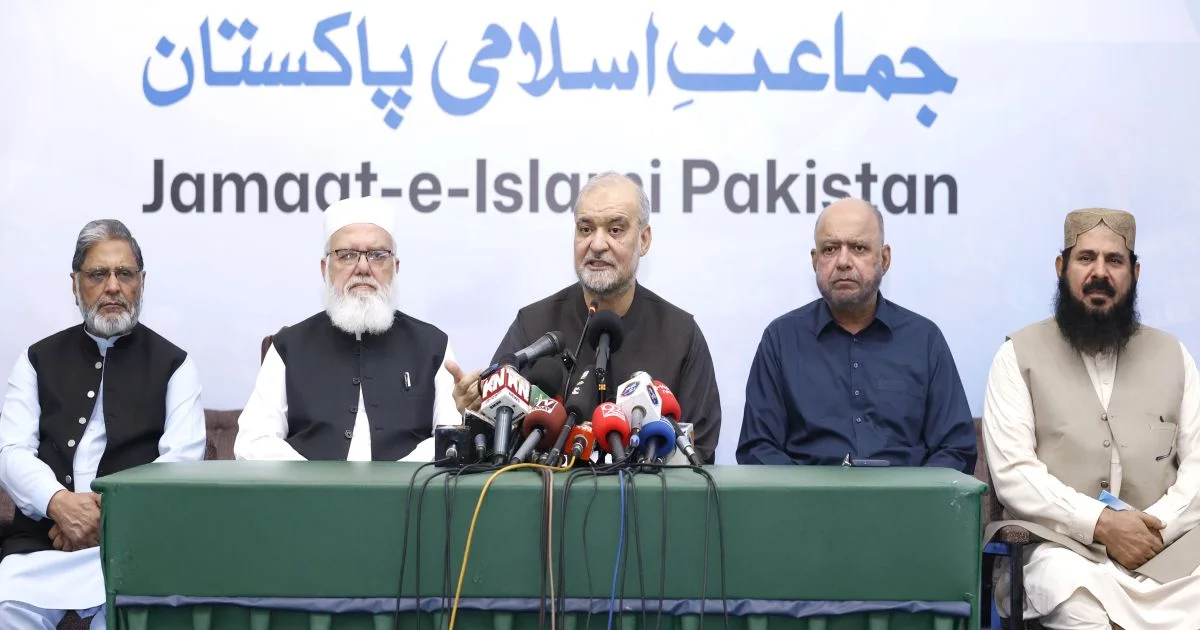
He said powerful business interests and various mafias were taking benefit at the expense of ordinary citizens, arguing that the country's economic system favoured a small group of people while imposing an unbearable burden on masses.
JI emir said the growing number of extrajudicial killings reflected the collapse of the judicial system. He said that such incidents were being used to placate public anger but were instead strengthening the perception that the state had lost its writ and powerful criminals were beyond accountability. He said around 2.3 million cases were pending in courts and added the government tightened its control over the judiciary through the 26th and 27th constitutional amendments.
On Palestine, Hafiz Naeem ur Rehman said Israel had intensified its oppression in both Gaza and the occupied West Bank, adding Netanyahu was escalating violence ahead of elections with the full support of US President Donald Trump. He criticised the United Nations and questioned the role of the Gaza Board, urging Muslim leaders to take practical steps to help Palestinians.
Expressing concern over attacks on Saudi Arabia, he called for dialogue and reconciliation among Muslim countries rather than further escalation. He proposed expanding the Mecca defence agreement to include Iran and urged Pakistan to play an active role in promoting unity among Muslim states.